Section 1 Origin and Interdependence
Dependent Origination emphasizes that things are formed in conditional relationships. Emotions, relationships, and life outcomes are also shaped by personality, environment, experiences, choices, and time. The course thereby corrects the simple judgment of attributing everything to a single star.
What You Can DoUse multiple conditions to analyze psychological and life problems.
Section 2 Impermanence and Change
Impermanence points to the continual change of emotions, identities, relationships, and situations. The passage of time provides a numerological language for understanding stage changes, while Buddhist philosophy helps learners loosen their excessive attachment to stable results.
What You Can DoReduce catastrophizing imagination and perpetuate judgment amid change.
Section 3: Selflessness and role identification
Selflessness does not deny the existence of people, but reminds people not to regard temporary identities, emotions and evaluations as fixed selves. The course combines this with the role differences of the Ming Palace, the Body Palace and the Official and Luk Palace.
What You Can DoDistinguish between real experiences and fixed labels for the self.
Section 4 Suffering and Perseverance
The course analyzes how people form continuous internal friction due to their pursuit of control, recognition, relationship possession and certainty, and finds the point of attachment through the transformation of taboos and related transformations.
What You Can DoDiscover the desire attachment and cognitive cycle behind pain.
Section 5 The Middle Way and Moderation
The middle path avoids addiction and extreme depression. The course applies it to work engagement, relationship boundaries, wealth pursuit and emotional management, so that actions can maintain necessary intensity while avoiding excessive consumption.
What You Can DoDevelop solutions to real problems that do not overdo or evade.
Section 6 Compassion and Prajna Wisdom
Compassion requires understanding the limitations of oneself and others, while Prajna emphasizes seeing the relationships and changes in things. The two work together to correct labeling, superiority and fatalism in horoscope analysis.
What You Can DoInterpret your horoscope with more careful, respectful and helpful language.
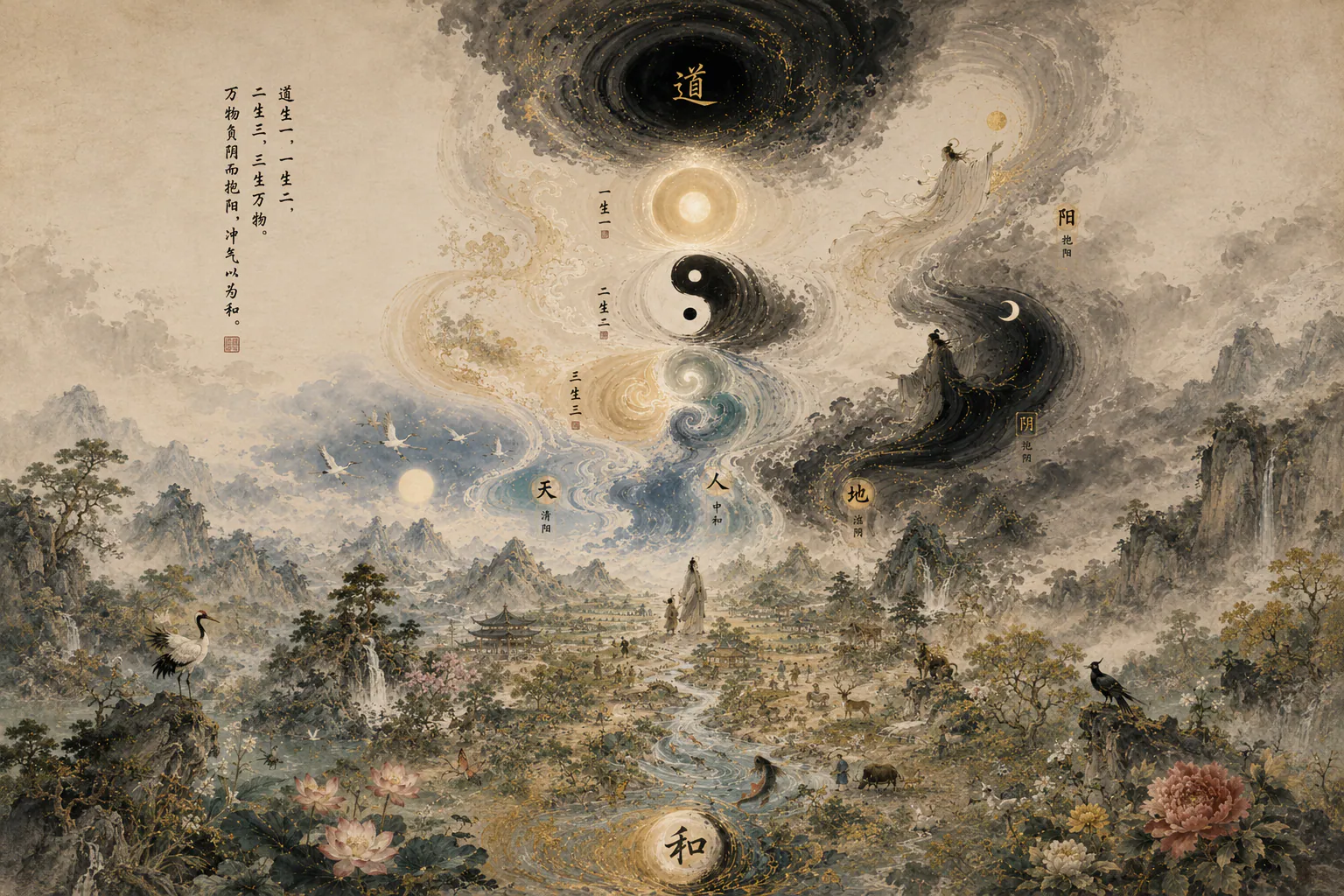
ZiWei Star & Ming Xin Jian Xing
Use the astrolabe to illuminate your heart and settle your life with the philosophy of Buddhism and Taoism
 01 / 04
ZiWei Star
ZiWei Star & Ming Xin Jian Xing
Contact to EnrollEnrollment is arranged directly by email or WhatsApp.
Understanding one's mind and one's nature takes its philosophical meaning. Understanding the mind means identifying the origin of thoughts, emotions and desires, and seeing one's nature means gradually understanding one's own more stable life tendencies in addition to roles, gains and losses, and external evaluations. The course does not discuss religious conversion, rituals, miracles or religious obligations, nor does it require participants to adopt any religious identity. The contents of Buddhism and Taoism are taught as the philosophy of mind, epistemology and life in the Chinese intellectual tradition.
The Buddhist philosophy part revolves around Dependent Origination, Impermanence, Non-self, Middle Way, Compassion and Prajñā. The course focuses on how human suffering is caused by attachment, discrimination and misidentification, and trains students to observe changes in thoughts and emotions. The Taoist philosophy revolves around the Tao, nature Ziran, Wuwei, emptiness, tranquility, contentment and weakness. The course focuses on how people can reduce their imposition, adapt to the current situation, and maintain a moderate balance between action and concession.
The philosophical functions of Buddhism and Taoism are kept clearly differentiated in the curriculum. Buddhist philosophy focuses on understanding attachment, breaking down fixed egos, and cultivating compassionate wisdom. Taoist philosophy focuses on conforming to nature, preserving life energy and reducing artificiality. Both can help people see their own limitations from the natal chart, but the analysis path and value focus are different. After explaining each separately, the course will discuss how the two work together to serve self-understanding, relationship adjustment, career choice and life settlement.
Course Series Context
ZiWei Star Astrology Series
ZiWei Dou Shu, also called Zi Wei Dou Shu or Zi Wei Star Astrology, is an important branch of traditional Chinese numerology. It builds a personal chart from the year, month, day, and hour of birth, placing fourteen main stars, supporting stars, the Four Transformations (Prosperity, Authority, Reputation, and Obstruction), and twelve palaces on one star chart to observe the connections among personality, relationships, career, wealth, family, and life stages.
The distinctive feature of ZiWei Dou Shu is holistic reading. A single star cannot independently determine a person's destiny. The links among palaces, combinations of stars, brightness, and changes over time jointly shape the judgment. The chart therefore becomes a symbolic map of life through which learners can understand inner motivation and outward choices from multiple dimensions.
After a long transmission, ZiWei Dou Shu has extended from traditional numerology consultation into self-knowledge, psychological observation, relationship communication, team management, environmental choice, and life planning. This series begins with the personality model and gradually enters mental health, Feng Shui, business management, and destiny prediction, allowing learners to build a complete ZiWei Dou Shu analysis system from learning to read one star.
Course Features
- Buddhist philosophy and Taoist philosophy are taught separately, and the source of concepts, awareness of issues, and direction of cultivation are kept clear.
- Taking the zodiac and the four modernizations as the main lines, it transforms abstract philosophy into observable psychological and life issues.
- Set up mind-watching records, meditation exercises, relationship analysis and life direction reports to incorporate philosophy into daily actions.
- See your attachments
Through the movement of the Four Transformations, identify your dependencies on relationships, achievement, control, recognition, and security.
- Understand where emotions come from
Combine the Life, Wellbeing, and Health Palaces to analyze the links among thoughts, emotions, bodily reactions, and real events.
- Distinguish true needs from outside expectations
Observe the differences among the Life Palace, Body Palace, and Travel Palace to recognize whether your goals come from inner needs.
- Reduce inner friction and forcing
Use dependent origination, impermanence, the Middle Way, naturalness, and non-action to reconsider failure, change, and results that cannot be controlled.
- Adjust relationships and ways of acting
Use the Spouse, Friends, and Career Palaces and related flying transformations to improve boundaries, communication, cooperation, and career choices.
- Establish a daily mind-observation practice
Turn chart insight into observing thoughts, recording emotions, sitting meditation, breathing, rhythm adjustment, and action review.
- Students who have learned the basics of Ziwei Dou Shu and hope to move from prediction to the level of mind nature and life philosophy.
- Learners interested in Buddhist philosophy, Taoist philosophy and Chinese mind-nature thought.
- Learners who wish to understand their own obsessions, emotions, relationships and life direction.
Course Curriculum
ZiWei Star & Ming Xin Jian Xing
Section 1 Tao and Overall Order
The Tao of Taoism points to the overall operating laws that transcend a single will. The course understands the natal chart as a symbolic expression of personal life rhythms, helping students find a position between personal wishes and real conditions.
What You Can DoJudge the direction of action based on overall conditions, not just personal desires.
Section 2 Nature and Nature
Natural Ziran refers to the unfolding of things on their own terms. The course combines the fourteen main stars and the structure of the life palace to analyze a person's more suitable rhythm of action, working style and relationship boundaries.
What You Can DoRecognize your natural tendencies and reduce the risk of long-term roles that are inappropriate for you.
Section 3: Doing nothing and not being overly pretentious
Wu Wei emphasizes that actions conform to the conditions of things and avoids using coercive means to create greater resistance. Courses use it to manage desires, relationship control and career anxiety.
What You Can DoDetermine when to push, when to wait, and when to stop using ineffective force.
Section 4: Silence and inner space
Xujing emphasizes reducing distracting thoughts and desires and restoring clarity to judgment. The course combines the stars of Fortune Palace, Taiyin, Tiantong, Tianji and Jumen to train the observation of thoughts and emotional noise.
What You Can DoEstablish a method of meditation, solitude and information moderation that suits you.
Section 5: Weakness and the power of relationships
Taoism values weakness, concession, and uncontested strength. The course distinguishes between wise concession and passive avoidance, and analyzes the advancement and retreat in relationships based on the palace of husband and wife, the palace of friendship and the palace of migration.
What You Can DoPreserve relationships and your own energy during conflict.
Section 6 Contentment and Moderation
Contentment does not require giving up development, but rather preventing wealth, power, and fame from becoming endless self-certifications. The course combines Caibo Palace, Guanlu Palace and Hualu Huaquan to observe the boundary of desire.
What You Can DoEstablish a personal dimension between wealth, career and life.
Section 1 Ziwei and Tianfu, authority and bearing
Analyze Ziwei's need for dignity, order and leadership, and Tianfu's emphasis on stability, resources and tolerance. Buddhist philosophy is used to observe the persistence of authority, and Taoist philosophy is used to adjust the scale of control and carrying.
What You Can DoUnderstand how managerial personality moves from control to stability.
Section 2 The Sun and the Lunar Illumination and Inward Guarding
The Sun favors outward commitment and public expression, while the Taiyin favors inner feelings and security needs. The course discusses the mental issues of over-giving and over-sensitivity respectively.
What You Can DoFind the balance between outer contribution and inner care.
Section 3: Tianji and Giant Gate: Thoughts and Differences
Tianji and Jumen are good at analysis, change and language, and may also form repeated deductions, doubts and arguments. Buddhist philosophy helps to observe the discriminating mind, and Taoist philosophy helps to reduce excessive thinking.
What You Can DoTransform overthinking into clear judgment and limited action.
Section 4 Tiantong and Tianliang Comfort and Responsibility
Tiantong values comfort and emotion, Tianliang values principles and care. The course analyzes conflict avoidance, overcommitment and moral pressure, and discusses the relationship between compassion and boundaries.
What You Can DoMaintain boundaries of responsibility while caring for others.
Section 5: Wuqu and Tianxiang, results and order
Wu Qu emphasizes execution and results, while Heaven emphasizes rules and coordination. The course addresses performance anxiety, perfectionism and the obsession with fairness through the Middle Way and Wuwei thinking.
What You Can DoAlign high standards with real-world conditions.
Section 6 Integrity and Greedy Wolf Desire and Experience
Lian Zhen focuses on boundaries, reputation and control, while Greedy Wolf focuses on social interaction, interests and experiences. The course uses Buddhist observations of desire and Taoist understandings of natural vitality to distinguish between healthy desires and out-of-control pursuits.
What You Can DoEstablish appropriate boundaries for desires, relationships, and enjoyment.
Section 7: Seven Kills and Breaking the Army, Decisions and Changes
Qisha and Pojun have a tendency to make decisions, take risks, and make breakthroughs, and they may also move toward violent cuts under pressure. Lessons understand change through impermanence, and adjust for excessive action through inaction.
What You Can DoMaintain judgment and retreat during change.
Section 1 Hualu and Attachment
Hualu shows areas where people can easily obtain satisfaction and resources, and where it is easy for them to become dependent. The course discusses how to enjoy relationships, wealth and recognition without turning them into your only source of security.
What You Can DoIdentify the ways of gratification that you most rely on.
Section 2 Power and Control
Empowerment brings push, responsibility and control, but may also lead to coercion, competition and the inability to let go. The Buddhist Way and the Taoist Wuwei provide two different paths of adjustment.
What You Can DoTransform the desire for control into appropriate responsibility and effective action.
Section 3 Chemical Science and Evaluation
Chemistry involves professionalism, reputation, order and recognition. The course analyzes how decency, correctness and social evaluation shape the self and trains learners to be less reliant on external labels.
What You Can DoEstablish more stable internal evaluation standards.
Section 4: Resolving taboos and knots in the heart
Hua Ji points out areas where repeated entanglements, feelings of regret, and psychological costs are concentrated. The course combines the conditions of tracing origins, loosens fixation on impermanence, and reduces rumination by emptiness and tranquility.
What You Can DoForm a map of the causes and loosening of personal knots.
Section 5 Feihua and relationship causes and conditions
Gongqianfeihua shows how one field brings power, power and taboo into another field. The course looks at how family, relationships, career and wealth influence each other.
What You Can DoAnalyze how problems cycle between different areas of life.
Section 1 External Role and Real Feelings
Combined with the Life Palace and the Fortune Palace, compare a person's external personality with his true psychological state when alone, and identify long-term depression, over-performance and self-division.
What You Can DoComplete a comparative analysis of the outer self and the inner self.
Section 2 Thoughts, Emotions and Body
Put the thoughts in the house of good fortune, the body signals in the house of ill health and real events on the same timeline, and observe how emotions form and last.
What You Can DoCreate a personal record of physical and mental responses.
Section 3 Desire Triggers and Emotional Cycles
Use the four levels and related houses to identify key needs where emotions are triggered, such as recognition, control, intimacy, security, and achievement.
What You Can DoUncover the core needs behind recurring emotional problems.
Section 4 Buddhist contemplation practice
Practice non-judgmental observation of thoughts, emotions, and body sensations, recognizing their conditionality and variability. The practice focuses on philosophical self-observation and does not involve religious rituals.
What You Can DoComplete basic thought observation and emotion naming.
Section 5: Taoist practice of emptiness and tranquility
Restore your inner space through breathing, relaxation, reducing stimulation and suspending action, and watch your natural rhythms re-emerge. The practice does not involve Taoist rituals.
What You Can DoEstablish methods of quieting and slowing down that are suitable for daily life.
Section 6: Personal Confidence Report
Students integrate the Life Palace, Fortune Palace, Disaster Palace, Four Modernizations and real-life experiences to form a report that includes attachments, needs, pressure, protective factors and cultivation directions.
What You Can DoComplete your personal character portrait.
Section 1: Couple Palace and Relationship Persistence
Analyze possession, dependence, control, expectations and disappointment in intimate relationships. While Buddhism helps understand that relationships are formed by multiple conditions, Taoism naturally helps both parties retain appropriate space.
What You Can DoIdentify key obsessions and boundary issues in intimate relationships.
Section 2: Dating Palace and Need for Identity
Observe how friendships, partnerships, and group evaluations shape who you are. The course discusses conformity, comparison, feelings of exclusion and excessive seeking of the same.
What You Can DoEstablish ways of social distancing and collaboration that work better for you.
Section 3: The Palace of Parents and Early Mind Patterns
Analyze how family expectations, authority relationships, and caregiving styles affect self-evaluation and emotional responses in adulthood, and understand the conditions for their formation based on origin.
What You Can DoSee family influences while reducing singular blame for the past.
Section 4: Non-fighting and effective communication
Taoism emphasizes not consuming life with unnecessary confrontation, while Buddhist compassion emphasizes understanding the conditions of both parties. The course translates both into mechanisms of listening, expression, boundaries, and exit.
What You Can DoDecrease confrontation and maintain a clear position in conflicts.
Section 5 Relationship Comparison and Common Issues
Through the interaction between the palace positions of the two birth charts and the four elements, observe the areas where the two parties are attracted to each other, achieve each other, and trigger each other.
What You Can DoForm an analysis of common issues in the relationship.
Section 1 Official Palace and Career Identity
Observe how a career becomes self-validation, social role, and meaning in life. Buddhism's selflessness helps loosen career labels, and Taoism naturally helps you choose a working style that suits you.
What You Can DoDistinguish between career goals and identity obsessions.
Section 2: Wealth Palace and Wealth Scale
Analyze the security, freedom, power and evaluation needs carried by wealth. The course uses contentment to determine personal standards and the middle way to avoid squandering and excessive depression.
What You Can DoEstablish a view of wealth that meets your personal conditions.
Section 3: Deadline and Going with the Trend
The deadline presents the main issues of the ten-year period. The course transitions through stages of understanding impermanence, and uses inaction to judge when to accumulate, when to expand, and when to adjust.
What You Can DoIdentify action priorities that are more appropriate for your current life stage.
Section 4: The passage of time and the rhythm of advance and retreat
Time flies are used to observe short-term environmental and event themes. The course does not make fatalistic predictions but turns them into discussions of risks, resources and the pace of action.
What You Can DoDevelop annual advancement and retreat and resource allocation plans.
Section 5 Success, Failure and Impermanence
Re-understand success and failure through Buddhist impermanence and Taoist repeated thoughts, so that temporary results no longer become a fixed self-evaluation.
What You Can DoMaintain a more stable judgment amidst changes in gains and losses.
Section 6 The direction and path of life
Comprehensive horoscope, practical ability, relationship responsibilities and conditions of the times, discuss how individuals choose a life path that they can bear for the long term.
What You Can DoDevelop a personal career and life direction statement.
Section 1 Daily Mind Observation Record
Record triggering events, thoughts, emotions, physical reactions, desires, and action results, and compare them regularly with the houses and four transformations in your natal chart.
What You Can DoCreate sustainable self-observation habits.
Section 2: Meditation, Breathing and Body Awareness
Non-religious practices of seated stillness, natural breathing, and body scanning help shift focus from ruminating thoughts back to present-moment experience.
What You Can DoMaster basic meditation and body awareness methods.
Section 3: Subtractive Life and Information Control
Use Taoist ideas of tranquility and contentment to reduce ineffective social interactions, excessive information, repetitive decision-making and material accumulation, and leave room for psychological recovery.
What You Can DoComplete the Personal Life Subtraction Checklist.
Section 4 Compassion, Boundaries and Actions
Compassion does not mean unlimited commitment, and boundaries do not mean indifference. The course trains learners to understand others while retaining responsibility, competence and safe boundaries.
What You Can DoDesign a relationship support and self-protection plan.

Your Teacher
Learn With Dr. Phoenix Chao
BaZi, Zi Wei Star Astrology & Holistic Wellness
Dr. Phoenix Chao, Doctor of Laws, has studied traditional Chinese culture since childhood. He works with BaZi and Zi Wei Star Astrology to explore personality, customised life planning, and forward-looking counsel, while drawing on traditional Chinese medicine and wellness practices to support balance between body and mind.
Meet Dr. Phoenix ChaoRead Before Your Next Lesson
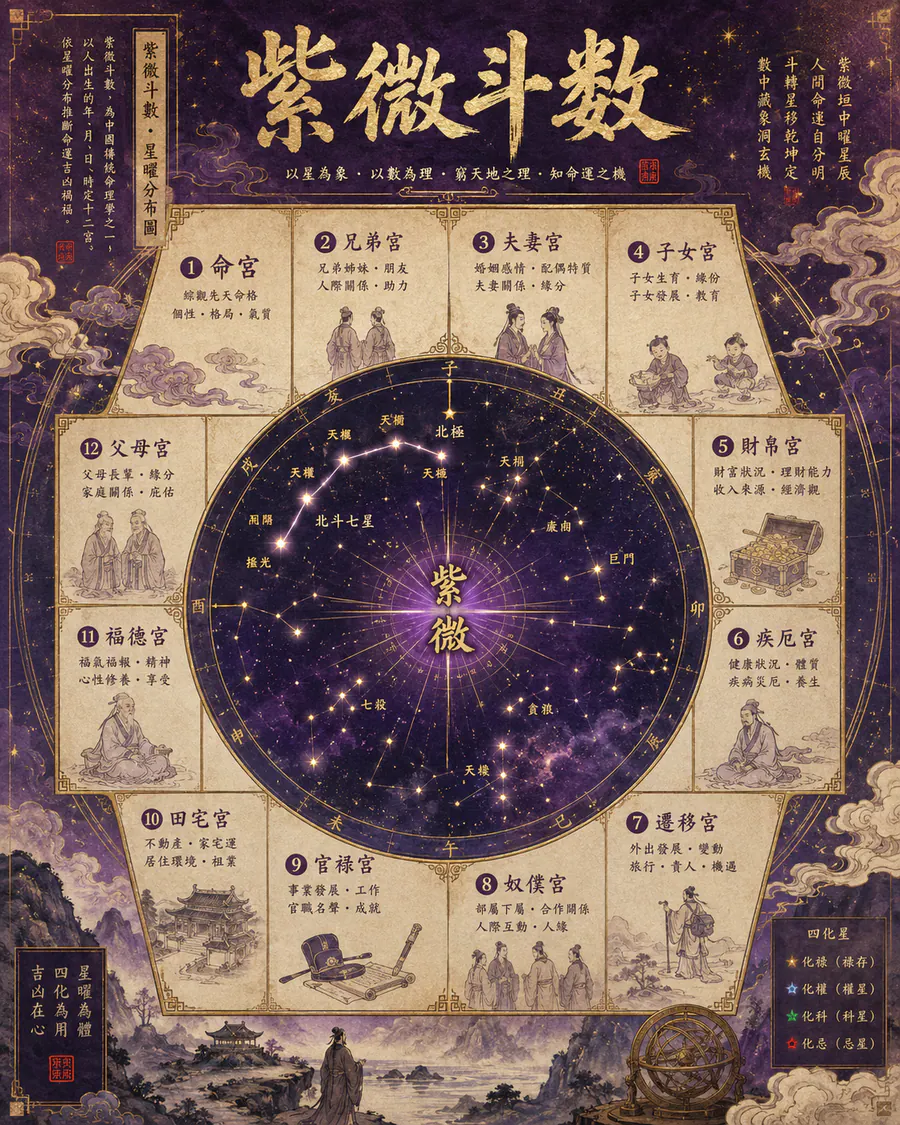
Understanding the ZiWei Twelve Palaces
A map for reading relationships between life areas rather than treating stars and palaces as isolated labels.
Personality Through ZiWei
How personality models can organize observation without turning a living person into a permanent chart label.
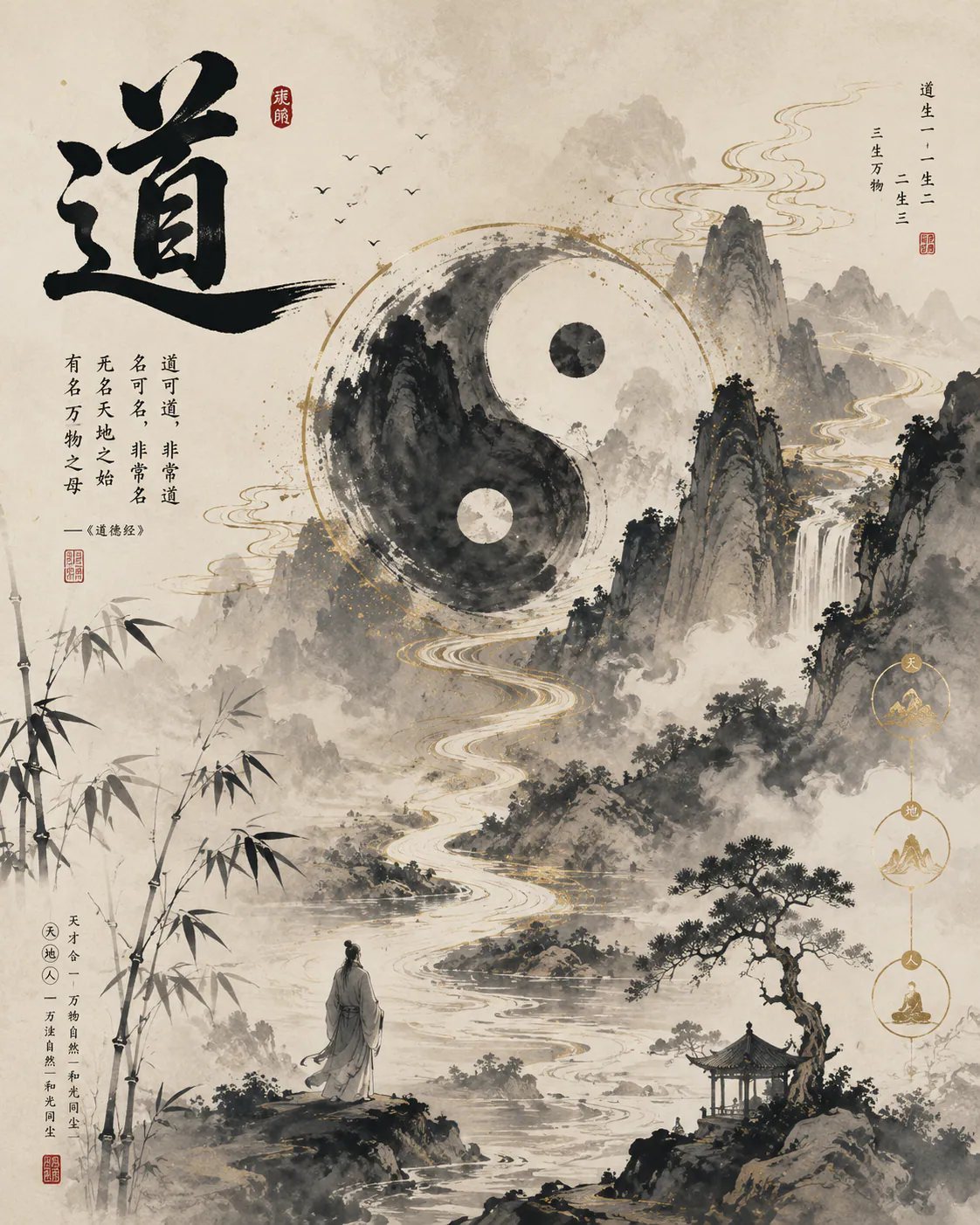
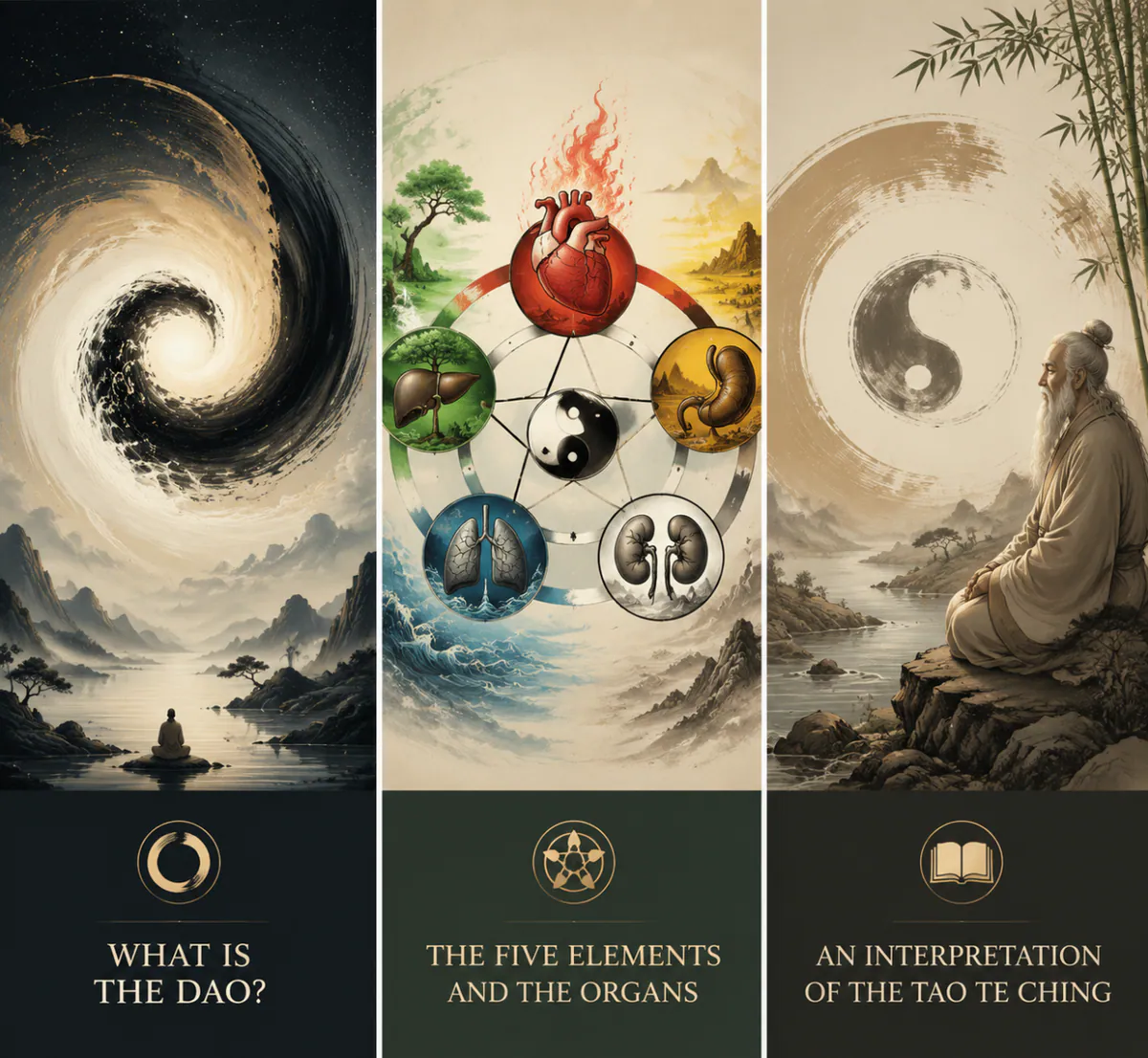
What Is Dao?
An introductory reflection on change, relationship, and the limits of the language used to describe the Dao.
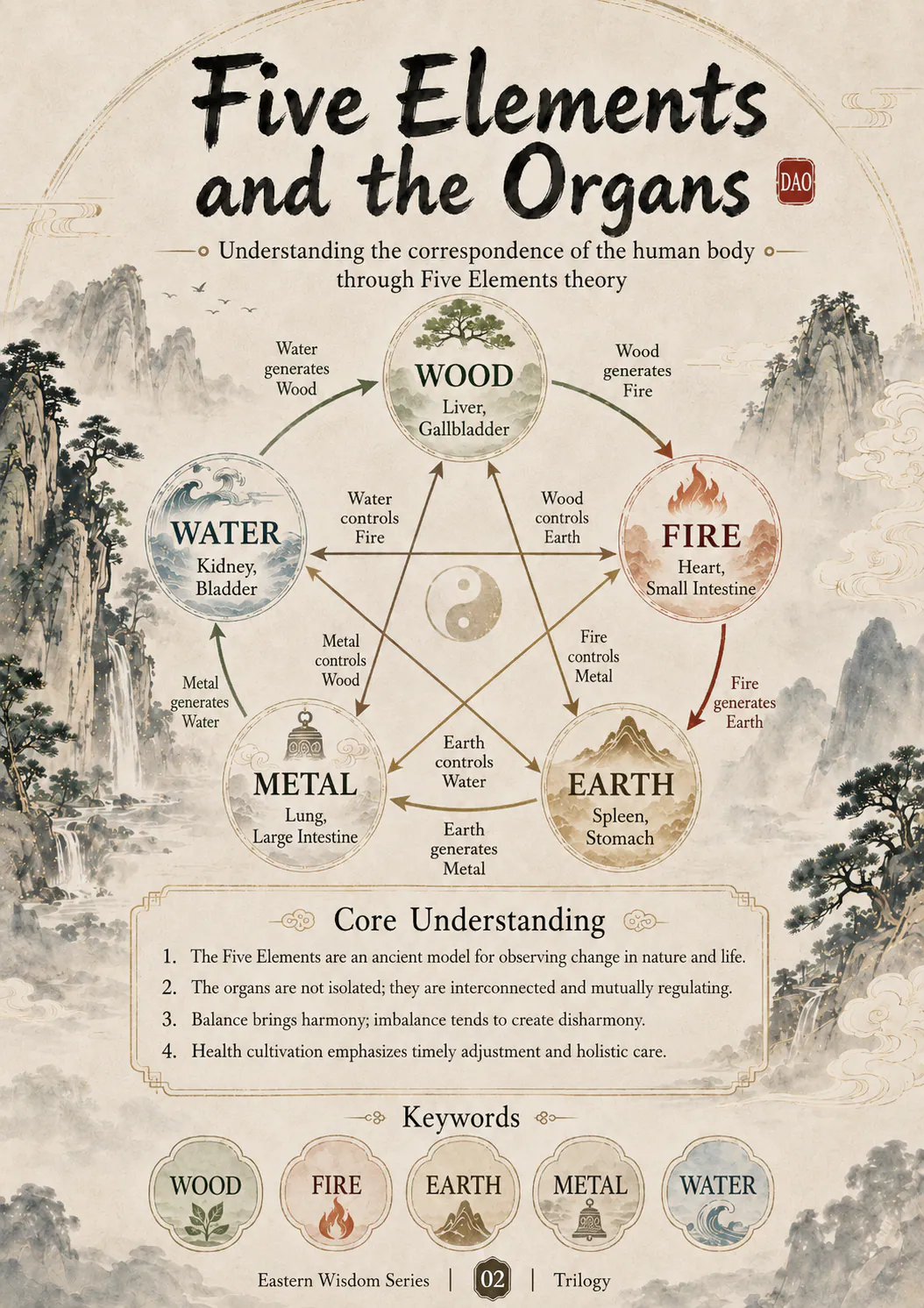
Five Elements & Body Organs
A careful introduction to traditional correspondences between the Five Elements, seasonal change, and bodily systems.