Section 1: How the natal chart reflects psychological state
Establish five observation dimensions of personality tendencies, emotional needs, physical reactions, relationship triggers and time changes. Understand that the main star presents psychological dynamics, the house position determines the problem area, the four modernizations reveal the flow of energy, and the big limit year shows the time when risks are activated.
What You Can DoUse Ziwei Dou Shu to establish a psychological risk observation framework.
Section 2 The difference between depressive tendencies and depression
Recognize risk cues such as persistent depression, loss of interest, fatigue, sleep and appetite changes, self-denial, and functional decline, and understand that medical diagnosis requires symptom duration, severity, and professional evaluation.
What You Can DoDistinguish between birth chart tendencies, realistic risk signals, and clinical diagnosis.
Section 3: Joint Reading of the Three Palaces of Life Palace, Fortune Palace and Disease Palace
The Life Palace observes self-identity, the Fortune Palace analyzes inner satisfaction and mental exhaustion, and the Disease Palace identifies the physicalization and emotional release of stress. The three house conjunction is used to determine where the problem begins and how it manifests itself.
What You Can DoComplete a chain of analysis from personality to emotions to physical reactions.
Section 4: The Four Transformations Flying Stars and the Flow of Psychological Energy
Learn the sources of satisfaction that Hua Lu is attached to, the control pressure created by Hua Quan, the dignity and evaluation needs that Hua Ke maintains, and the attachments and psychological knots that Hua Ji points to. Combining the four transformations of the birth year with the palace stems and flying transformations, observe how problems migrate between palaces.
What You Can DoIdentify the psychological areas where internal friction and repetitive entanglement are most likely to occur.
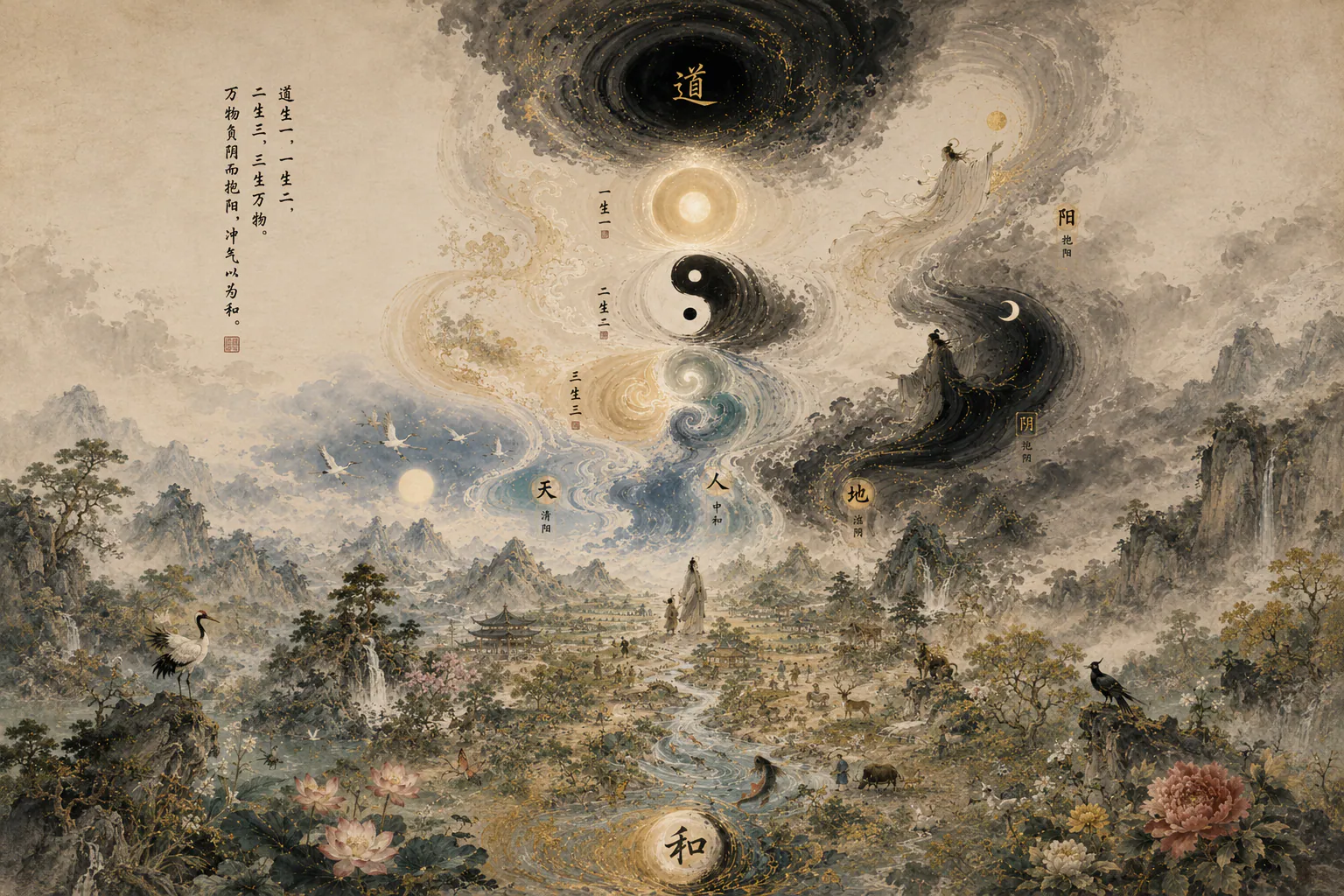
ZiWei Star & Mental Health
Identify depression risk clues from the Palace of Life, Palace of Fortune and Palace of Illness, trace the causes and establish a recovery path
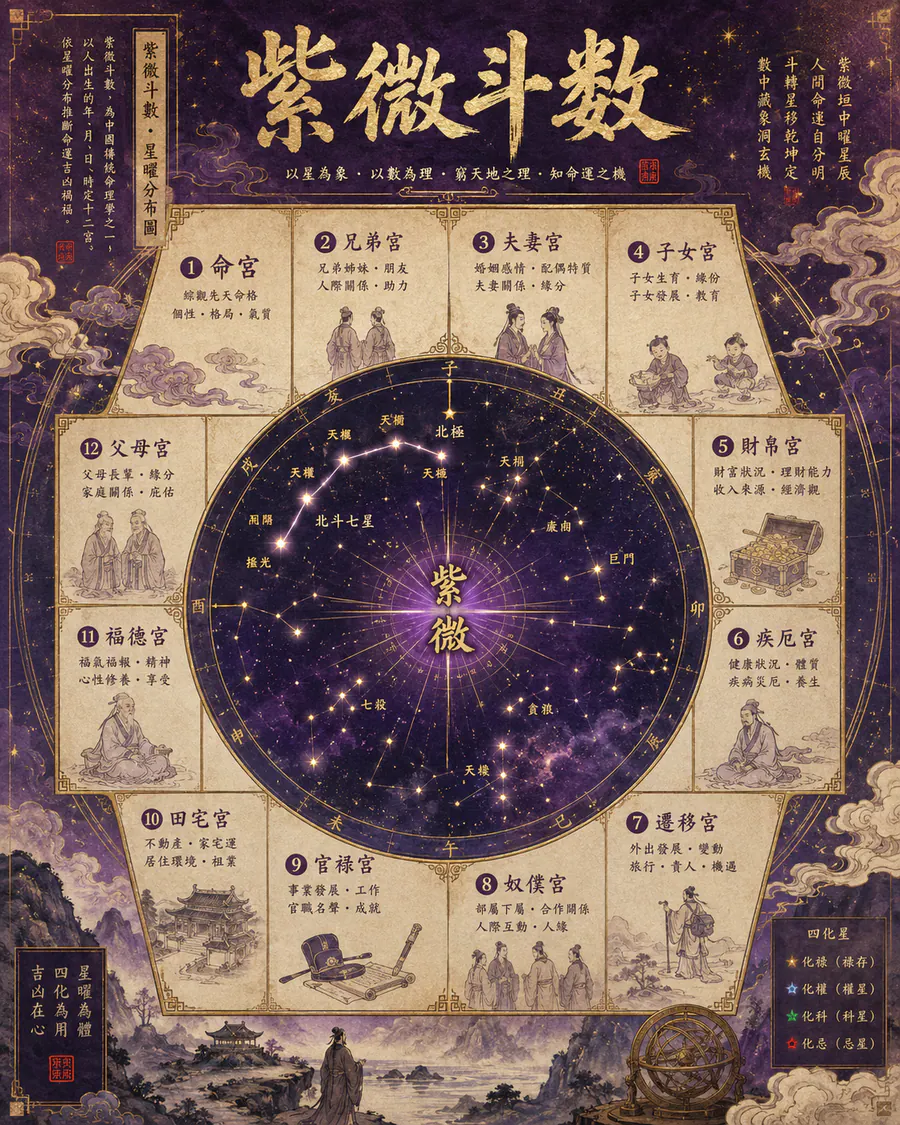
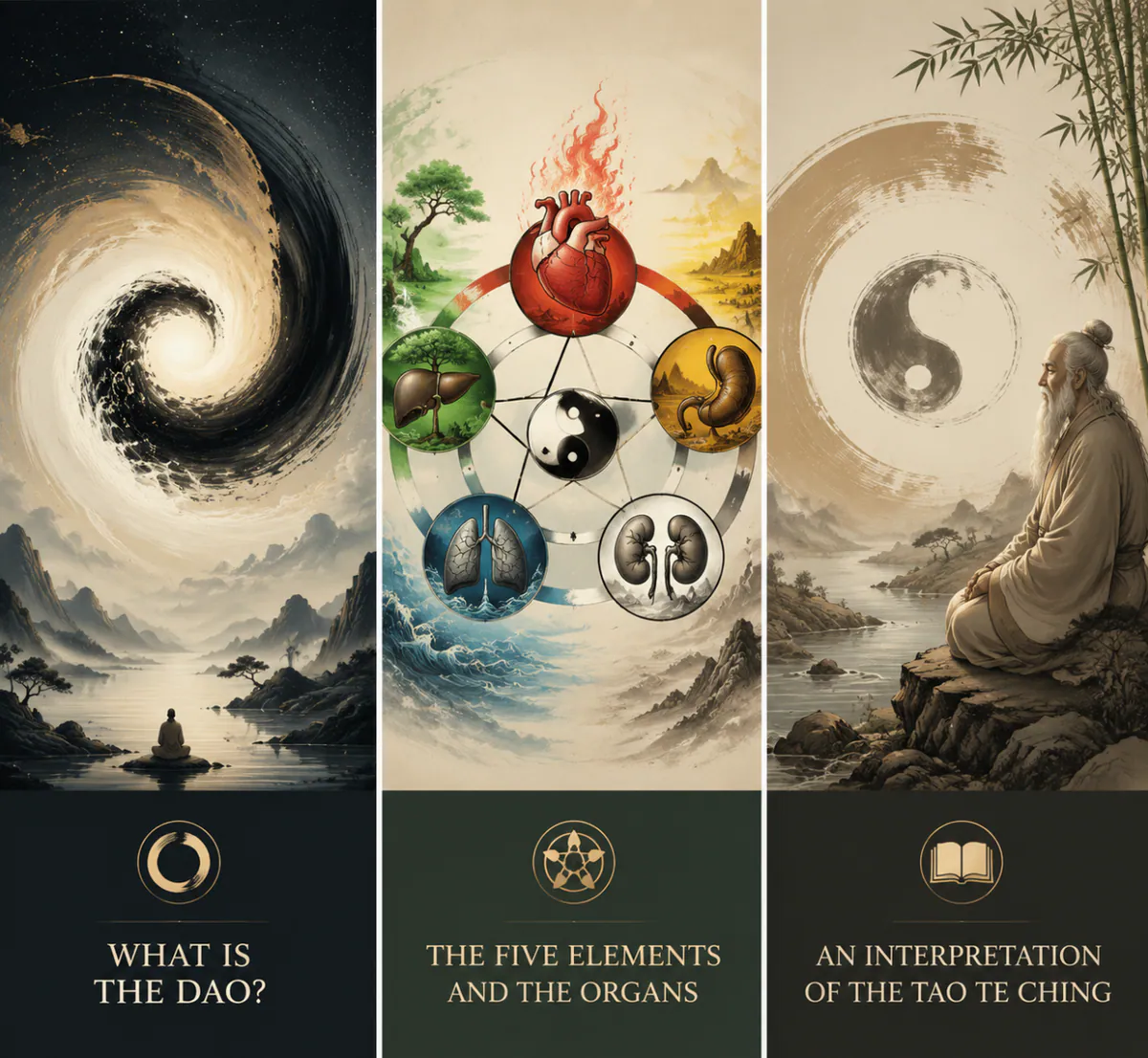
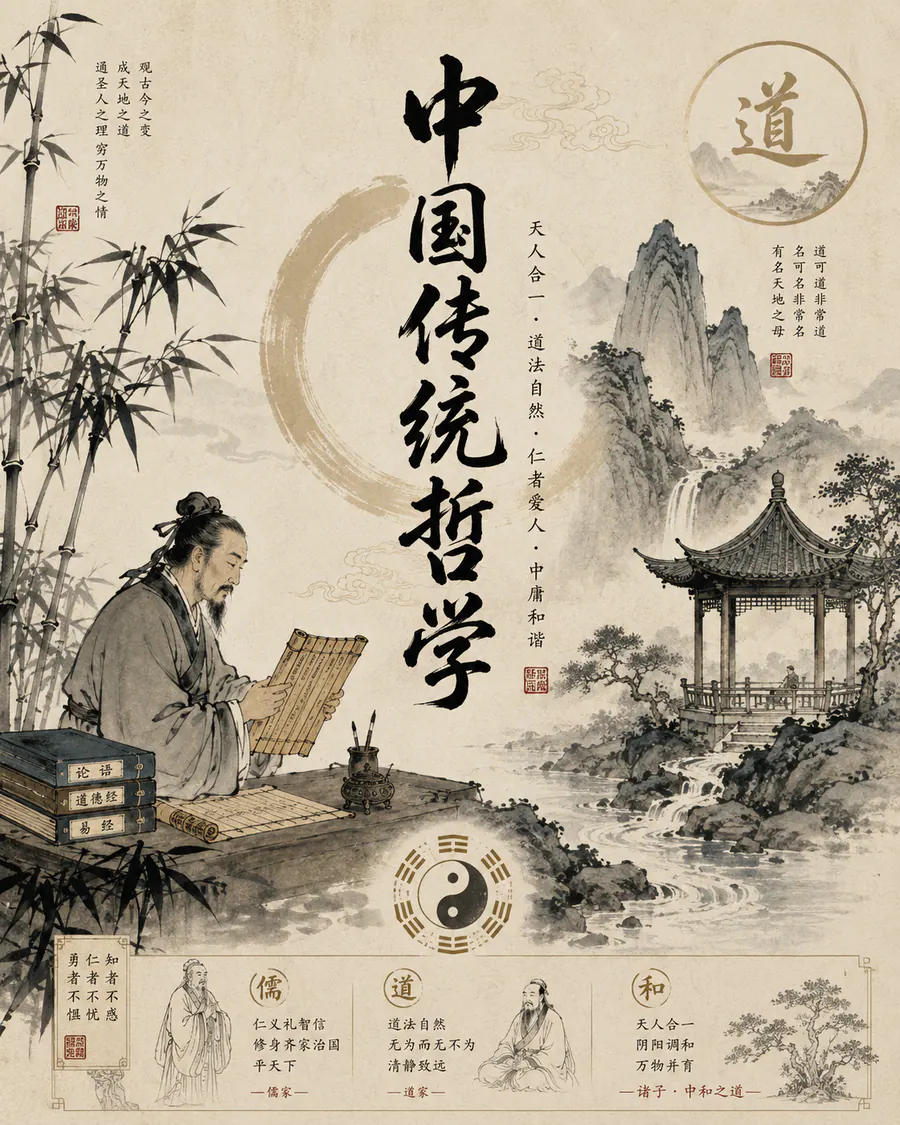 01 / 04
ZiWei Star
ZiWei Star & Mental Health
Contact to EnrollEnrollment is arranged directly by email or WhatsApp.
Depression, anxiety, insomnia, and mood disorders rarely appear out of nowhere. Childhood experiences, family of origin, long-term depression, repeated setbacks, and a persistently unbalanced life rhythm may gradually lead to depression, burnout, loss of interest, self-denial, and physical discomfort. The Ziwei Dou Shu and Mental Health course takes the Life Palace, Body Palace, Fortune Palace, Disaster Palace, Parents Palace, Couple Palace, Guanlu Palace and Tianzhai Palace as the main line of observation, and combines the fourteen main stars, evil spirits, Hua Ji and the Great Limit Year to analyze the internal tendencies, external incentives and time nodes that may cause psychological problems.
The course focuses on training in assisting in the identification of depression risk cues. Students will learn to observe realistic signs such as persistent depression, loss of interest, obvious fatigue, changes in sleep and appetite, social withdrawal, self-deprecation, feelings of hopelessness and decreased functioning, and combine them with the horoscope to find possible stress backgrounds. Ziwei Dou Shu cannot diagnose depression alone, and the course does not use Xing Yao as a substitute for clinical assessment. The role of the horoscope is to help learners detect abnormalities earlier, ask the right questions, and decide when life adjustments, relationship support, or professional referrals are needed.
Course Series Context
ZiWei Star Astrology Series
ZiWei Dou Shu, also called Zi Wei Dou Shu or Zi Wei Star Astrology, is an important branch of traditional Chinese numerology. It builds a personal chart from the year, month, day, and hour of birth, placing fourteen main stars, supporting stars, the Four Transformations (Prosperity, Authority, Reputation, and Obstruction), and twelve palaces on one star chart to observe the connections among personality, relationships, career, wealth, family, and life stages.
The distinctive feature of ZiWei Dou Shu is holistic reading. A single star cannot independently determine a person's destiny. The links among palaces, combinations of stars, brightness, and changes over time jointly shape the judgment. The chart therefore becomes a symbolic map of life through which learners can understand inner motivation and outward choices from multiple dimensions.
After a long transmission, ZiWei Dou Shu has extended from traditional numerology consultation into self-knowledge, psychological observation, relationship communication, team management, environmental choice, and life planning. This series begins with the personality model and gradually enters mental health, Feng Shui, business management, and destiny prediction, allowing learners to build a complete ZiWei Dou Shu analysis system from learning to read one star.
- Help identify depression risk
Combining real-life symptoms with information about the Life Palace, Fortune Palace, Disease Palace, Huaji Palace, etc., we can discover clues that require attention such as persistent depression, loss of interest, self-denial, and functional decline.
- Tracing the causes of psychological problems
Analyze the main paths of problem formation from family security, intimacy, social belonging, occupational stress and life stages.
- Identifying periods of high emotional risk
Combined with Dadian, Fleeting Year, Fleeting Moon and Four Modernizations Flying Stars, observe the time window when stress is likely to be concentrated or old problems are easily triggered.
- Establish an individual recovery plan
Arrange sleep, exercise, meditation, recording, solitude, communication and environmental adjustments according to the personality and palace status of the main star.
- Design relationship support paths
Identify the types of support family, partners, friends and colleagues can provide, and adjust how you express needs and set boundaries.
- Students who have studied Ziwei Dou Shu and personality model and hope to enter the field of psychological application.
- Learners who wish to identify clues to their own risk of depression, anxiety, insomnia and mood swings.
- People working in education, coaching, management, traditional cultural counseling and family support.
- Foreign learners who are interested in combining Eastern numerology with modern mental health knowledge.
Course Curriculum
ZiWei Star & Mental Health
Section 1: The Lord of the Life Palace and the Core Self
Analyze how the fourteen main stars affect self-evaluation, sense of value, desire for action and the way to face setbacks, and observe different personality paths such as strength, pleasing, perfection, avoidance and self-doubt.
What You Can DoRefining a person's core psychological needs and self-evaluation methods.
Section 2: Body Palace and Self in Reality
Compare the differences between inner perceptions and actual actions. The body palace is used to observe where a person ends up investing his or her energy and in which areas of life long-term stress accumulates.
What You Can DoIdentify if there is a conflict between your imagined self and your real self.
Section 3: Death Palace and Self-denial
Analyze the persistence, shame, sensitivity and self-attack tendencies that may occur when Huaji, Zihuaji and Shayao enter the Life Palace, and verify them with real-life experience.
What You Can DoDiscover the main triggering situations for self-denial.
Section 4: Migration Palace and External Evaluation
Observe how social environment, stranger evaluations, cross-cultural adaptation, and competitive pressures change self-states. When the fate line is unbalanced, an individual may live in the eyes of others for a long time.
What You Can DoDetermine whether the external environment activates strengths or amplifies psychological exhaustion.
Section 5: The path to rebuilding a sense of value
Rearrange goals, evaluation standards and action rhythms according to the way the main star is satisfied, so that the sense of value is gradually separated from single achievements, relationship recognition or authoritative evaluation.
What You Can DoDesign a value restoration plan that fits your personal horoscope characteristics.
Section 1: Palace of Fortune and Spiritual Background
Observe the state of solitude, structure of desire, capacity for satisfaction, spiritual recovery, and meaning in life. When the Palace of Fortune has been affected by Ji evil for a long time, it is necessary to focus on verifying the persistent worry, emptiness and hopelessness in reality.
What You Can DoDetermine how a person's mental energy is replenished or depleted.
Section 2: Fortune Palace and Depression Risk Clues
Incorporate combinations such as Taiyin, Tiantong, Jumen, Tianji, Huaji, and Kongjie to observe possible tendencies toward low mood, decreased interest, rumination, feelings of emptiness, and social withdrawal. All judgments need to be verified by actual symptoms.
What You Can DoDevelop a list of depression risk cues and focus your observations.
Section 3 Anxiety, worry and sense of loss of control
Analyze how Tianji, Jumen, Fire Bell, Yangtuo and Huaquanhuaji form quick thinking, catastrophic imagination, tension and desire for control, and find the real source of uncertainty.
What You Can DoIdentify thoughts, body signals, and behavioral responses in the anxiety cycle.
Section 4 Sleep, Dreams and Nocturnal Rumination
Observe the symbolic influence of the Palace of Fortune, Palace of Illness and Palace on sleep rhythm, and analyze excessive thinking at night, frequent dreams, difficulty falling asleep and environmental stimulation.
What You Can DoDevelop a plan for speed reduction, information management and space adjustment before going to bed.
Section 5: Restore spiritual energy
Allocate personal recovery resources according to the needs of different rulers for order, companionship, freedom, creativity, quietness, and physical activity.
What You Can DoFind more effective ways to be alone, have fun, meditate and rest.
Section 1: How to record stress in the Palace of Diseases
The Illness Palace is used to observe stress tolerance patterns, body warning signals, and emotional release pathways. Combining the main stars, evil stars, four transformations and three directions and four positives, it is judged that stress is more likely to manifest as tension, fatigue, pain, insomnia or emotional outbursts.
What You Can DoRead your body’s psychological stress signals.
Section 2: Depressed mood and physical exhaustion
Analyze how long-term mental exertion interacts with fatigue, decreased concentration, changes in appetite, and reduced movement to avoid simply attributing all physical discomfort to emotions.
What You Can DoDistinguish between different situations that require life adjustments, psychological support, or medical testing.
Section 3: Emotional outburst, depression and numbness
Observe the paths of explosion, depression, freezing and numbness that different combinations of Huoling Yangtuo, Qisha Pojun, and Taiyintian may present, and verify them with personal behavior.
What You Can DoDetermine emotional release methods and their risks.
Section 4: Taboos and recurring symptoms of illness and disease
Learn to observe the repeated concerns and physical anxiety caused by the entry of Huaji into the palace of illness, self-Huaji and related flying changes, and avoid amplifying fear due to natal chart interpretation.
What You Can DoEstablish boundaries for rational observation and prompt medical treatment.
Section 5: Restoring the rhythm of body and mind
Combined with the natal chart to determine suitable methods of exercise, breathing, meditation, social interaction, sleep and environmental adjustment, and verify the effect through records.
What You Can DoForm a sustainable physical and mental recovery plan.
Section 1: Parental Palace and Early Sense of Sense
Analyze how family expectations, authority relationships, caregiving styles, and emotional expression affect self-worth, security, and ability to seek help.
What You Can DoTracing the family origins of some psychological patterns.
Section 2: Tianzhai Palace and Family Aura
Observe the family atmosphere, residential stability, privacy boundaries and sense of space. When the Tian Zhai palace is affected by Ji evil spirits, the judgment should be based on real family conflicts and living pressure.
What You Can DoIdentify the family environment's support or drain on emotional recovery.
Section 3: Couple Palace and Intimate Relationship Trauma
Analyze the emotional impact of attachment, control, avoidance, fear of betrayal, and relationship imbalance to see if the relationship becomes an ongoing source of stress.
What You Can DoIdentify repetitive mental cycles in intimate relationships.
Section 4: Friends Palace and Group Exclusion
Observe peer relationships, social comparisons, feelings of rejection, and trust patterns to determine whether the group environment exacerbates loneliness, shame, and self-doubt.
What You Can DoRebuilding support networks that are more personally appropriate.
Section 5 Official Palace and Career Exhaustion
Analyze the impact of work goals, power and responsibility imbalance, evaluation pressure, loss of professional meaning and long-term overwork on the psychological state.
What You Can DoIdentifying the association between burnout and depression risk.
Section 1 Ziwei, Tianfu and the fear of losing control
Analyze the psychological response when authority, order, dignity and resource control are challenged, and train to shift from excessive control to reasonable empowerment and self-acceptance.
What You Can DoUnderstand the stressors and repair priorities of the managerial personality.
Section 2 Sun, Lunar and Emotional Exhaustion
The Sun is easily consumed by excessive commitment, and the Taiyin may be repeatedly consumed internally by sensitivity and insecurity. The course will combine the palace status to find more suitable ways of expression and support.
What You Can DoDistinguish between the emotional needs of extroverted giving and introverted sensitive types.
Section 3: Secrets, Giant Doors and Difficulties in Thinking
Analyze fast thinking, doubt, verbal rumination and cognitive overload, and train to transform endless analysis into verifiable questions and concrete actions.
What You Can DoReduce overthinking and self-debating.
Section 4 Tiantong, Tianliang and caregiver fatigue
Observe the fatigue and grievances caused by avoiding conflict, pursuing stability, and taking on other people's problems and moral responsibilities.
What You Can DoEstablish boundaries that care for others and protect yourself.
Section 5 Wuqu, Tianxiang and Performance Anxiety
Analyze how results, rules, image and fairness demands create high standards and tensions, and train to reallocate goals and real-world resources.
What You Can DoReducing the control of self-worth by performance pressure.
Section 6: Integrity, Greed and Desire Conflict
Observe the conflicts between relationship attraction, social evaluation, multiple desires and self-restraint, and reduce the psychological burden of secrets, shame and impulse.
What You Can DoEstablish clear boundaries of desires and relationship choices.
Section 7 Seven Kills, Destruction of the Army and Crisis Response
Analyze isolation, fierce decision-making, disconnection and destructive impulses under high pressure, and establish mechanisms for delayed decision-making and crisis help-seeking.
What You Can DoRecognize the crisis signs of an action personality.
Section 1 Psychological Problem Analysis Report
Integrate information on the Life Palace, Fortune Palace, Disaster Palace, Relationship Palace, Four Modernities and Time to form a report containing risk clues, possible causes, protective factors and issues to be verified.
What You Can DoIndependently complete a psychological risk auxiliary analysis.
Section 2 Daily Life Restoration Plan
Arrange sleep, exercise, diet, meditation, information intake and recovery space according to your personal horoscope, and set observable improvement indicators.
What You Can DoDevelop a four-week life rhythm adjustment plan.
Section 3 Cognition and Emotion Regulation Tools
Learn foundational tools like emotion journaling, reality checking, action breakdown, breathing exercises, and mindful observation to put your chart insights into your daily actions.
What You Can DoTransform abstract problems into concrete exercises.
Section 4 Family and Relationship Support
Design communication languages, companionship methods and boundary plans for different dominant personalities to reduce accusations, control and excessive persuasion.
What You Can DoCreate a list of family or partner support.

Your Teacher
Learn With Dr. Phoenix Chao
BaZi, Zi Wei Star Astrology & Holistic Wellness
Dr. Phoenix Chao, Doctor of Laws, has studied traditional Chinese culture since childhood. He works with BaZi and Zi Wei Star Astrology to explore personality, customised life planning, and forward-looking counsel, while drawing on traditional Chinese medicine and wellness practices to support balance between body and mind.
Meet Dr. Phoenix ChaoRead Before Your Next Lesson
Understanding the ZiWei Twelve Palaces
A map for reading relationships between life areas rather than treating stars and palaces as isolated labels.
Personality Through ZiWei
How personality models can organize observation without turning a living person into a permanent chart label.
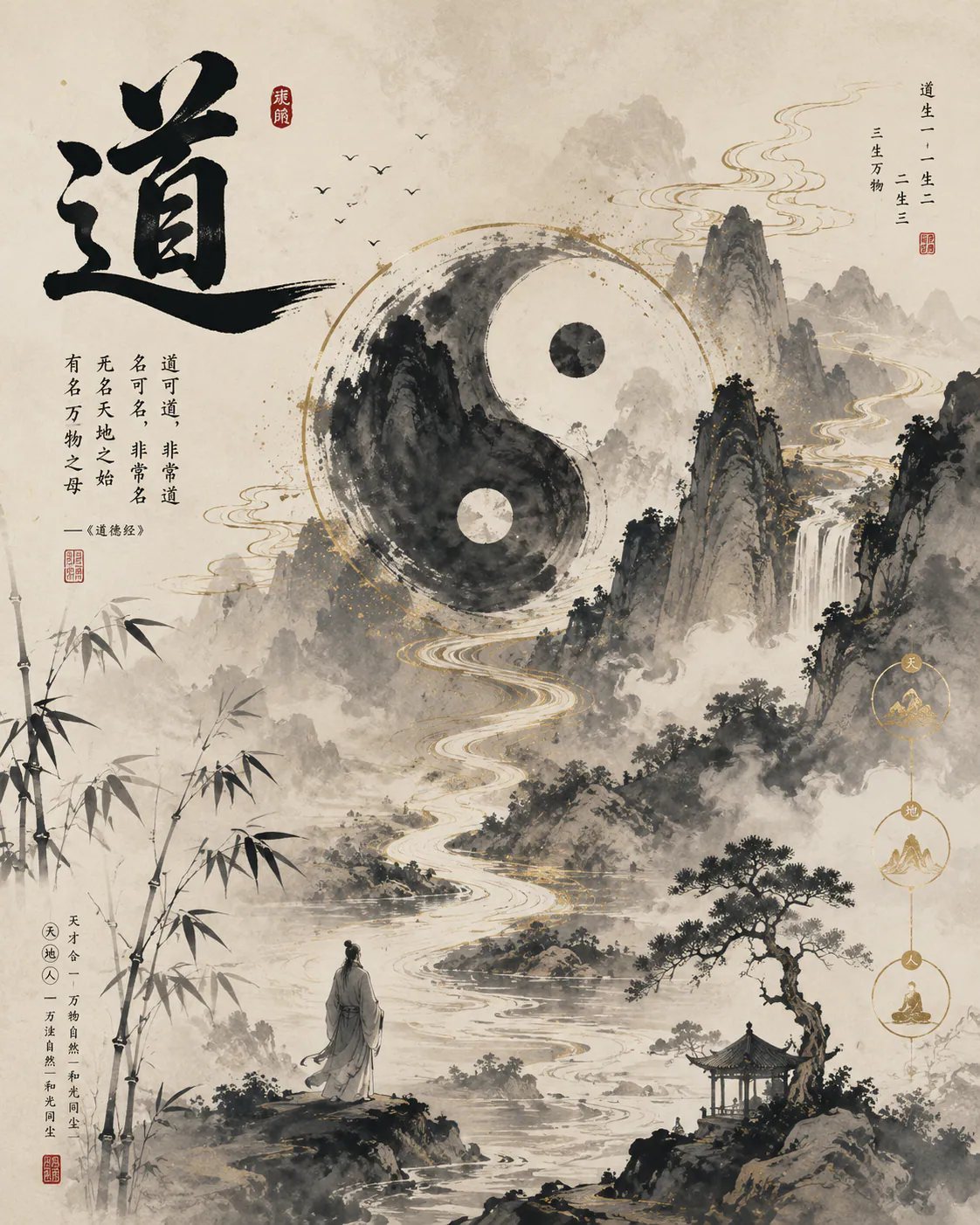
What Is Dao?
An introductory reflection on change, relationship, and the limits of the language used to describe the Dao.
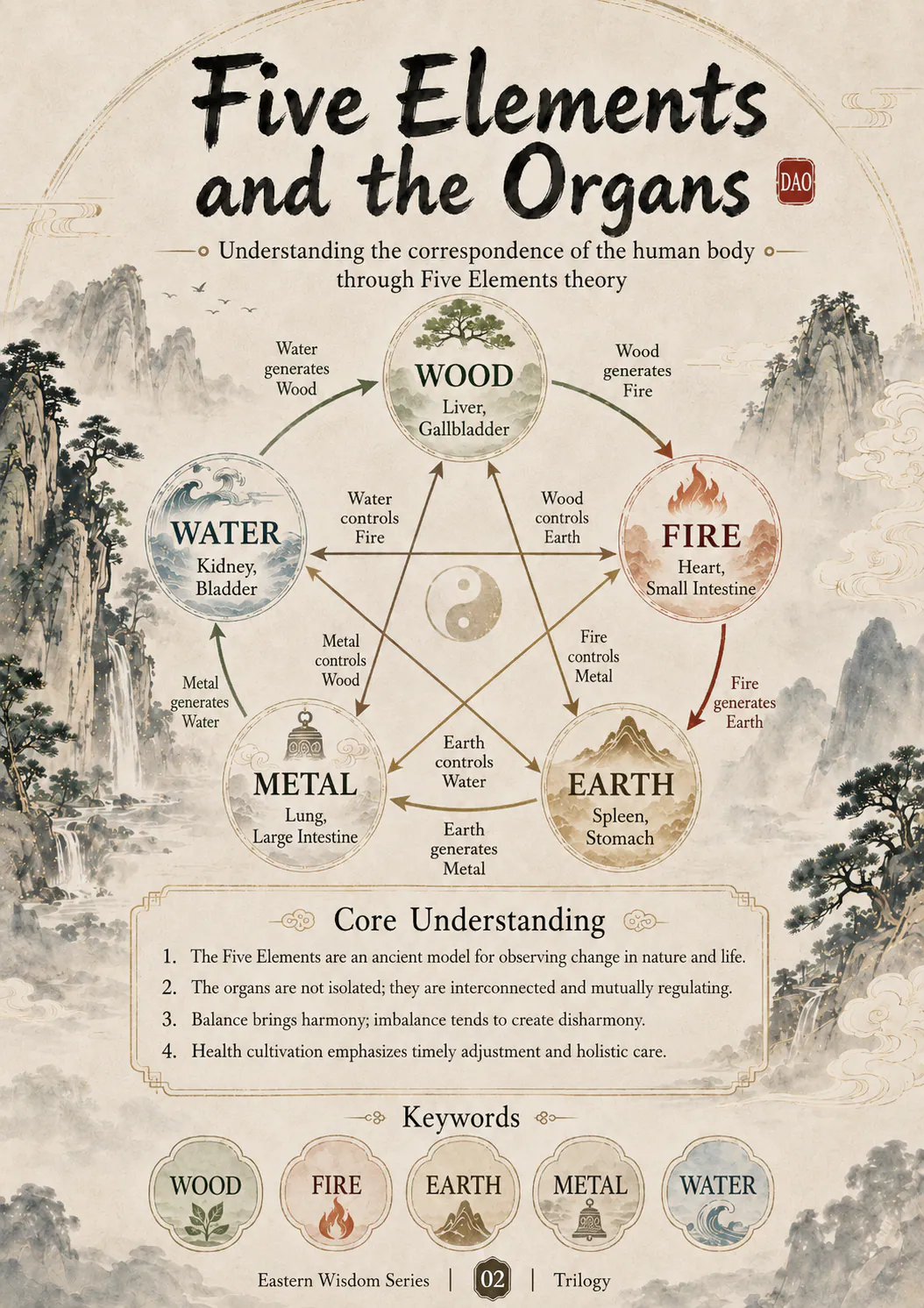
Five Elements & Body Organs
A careful introduction to traditional correspondences between the Five Elements, seasonal change, and bodily systems.