Section 1: How the Twelve Houses Reflect Corporate Organizations
The General Palace corresponds to the core of leadership, the Officials Palace corresponds to careers and positions, the Wealth Palace corresponds to resources and profits, the Migration Palace corresponds to the market and customers, the Friendship Palace corresponds to teams and cooperation, and the Fortune Palace corresponds to the deep motivations for decision-making.
What You Can DoUse the Ziwei Zodiac to build a corporate talent and organization map.
Section 2 Fourteen Main Stars and Management Archetypes
Transform the fourteen main stars into management archetypes such as coordinator, resource manager, executor, strategist, coordinator, pioneer, defender and changer.
What You Can DoQuickly identify talent’s basic role tendencies.
Section 3: Lucky Stars, Evil Stars and Ability Correction
Zuo Fu and You Bi observe collaboration and support, Chang Qu observes knowledge expression, Kui Yue observes opportunities and noble people, and Lu Cun Tianma observes resources and flow. The Yangtuo Fire Bell Sky Tribulation is used to analyze conflicts, obstacles, emergencies and risks of failure.
What You Can DoDetermine the difference in abilities of the same main star under different combinations.
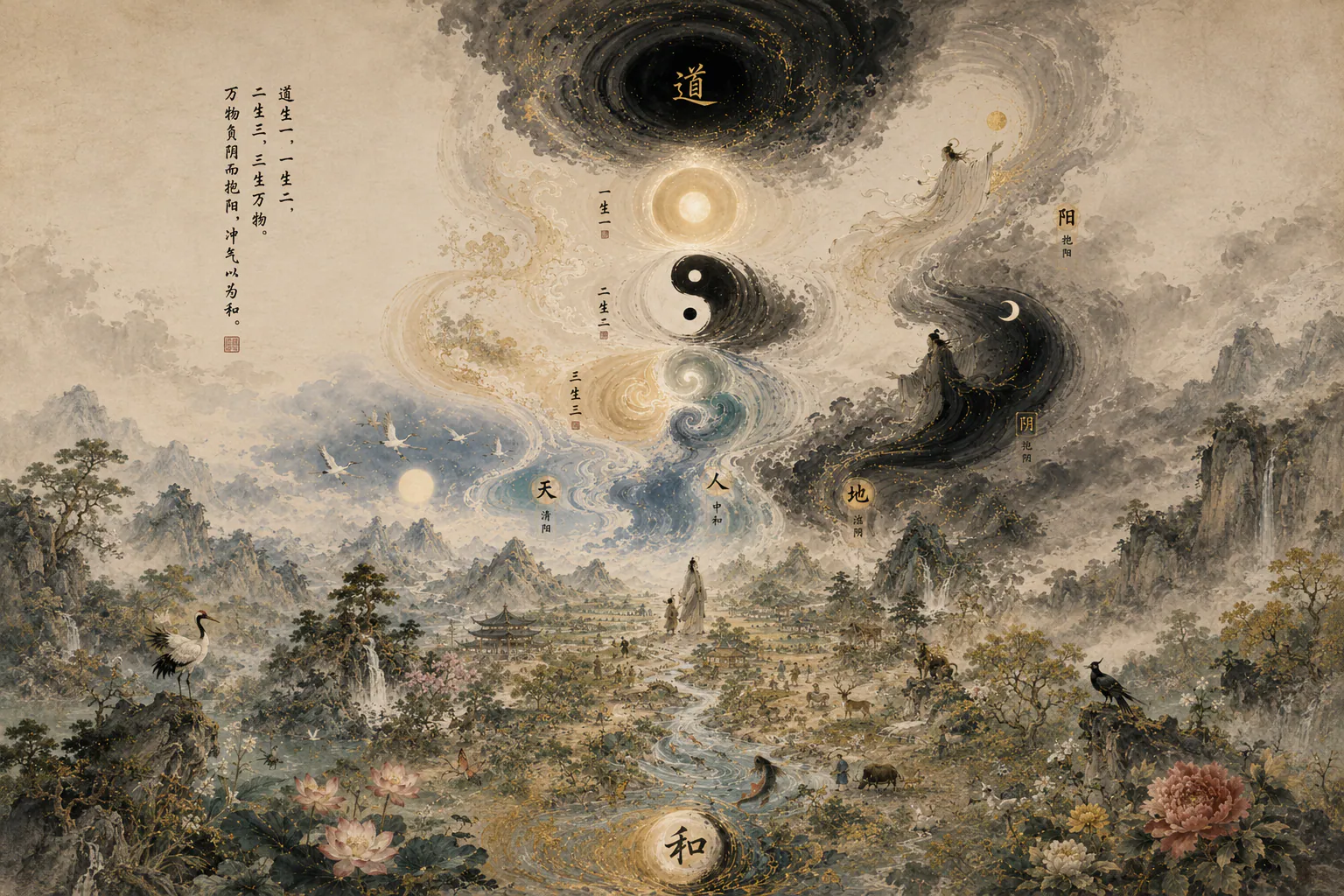
ZiWei Star & Business Management
Use the twelfth house to identify people, use the flying stars of the four modernizations to allocate people, and use the fleeting years to judge the pace of the company
 01 / 04
ZiWei Star
ZiWei Star & Business Management
Contact to EnrollEnrollment is arranged directly by email or WhatsApp.
The rise and fall of an enterprise often appears first in the combination of people. The founder's palace determines the will to lead, the palace of official wealth shows the career path, the palace of wealth and silk reveals the concept of resources, the palace of wealth reflects the true judgment under high pressure, and the palace of friendship and servants reflects the relationship between subordinates, partners and teams. The Ziwei Doushu and Corporate Strategic Management course is aimed at corporate founders, management and human resources leaders. It establishes a set of Eastern talent and organizational observation methods through the twelve houses, the fourteen main stars, the four transformations of the birth year, the palace stems and the horoscope, and the natal chart.
In corporate strategy, the course combines the life span of founders and core management with the stages of corporate development, observing the rhythm of expansion, financing, transformation, cooperation, organizational restructuring and key project launches. Ziwei Dou Shu provides direction assumptions and time observations and does not replace market research, financial models, legal due diligence and performance data. The course emphasizes transforming horoscope judgments into verifiable interview questions, job tasks, team mechanisms and strategic actions.
Course Series Context
ZiWei Star Astrology Series
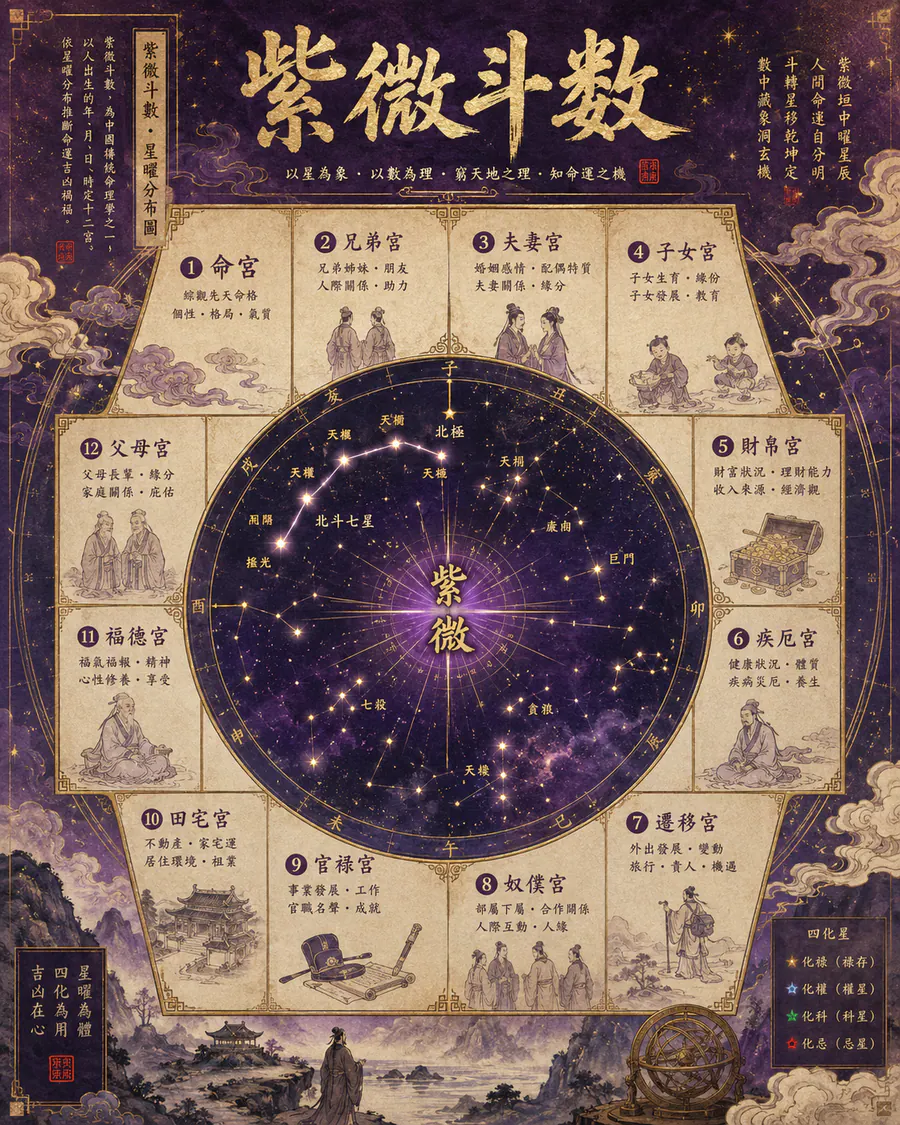
ZiWei Dou Shu, also called Zi Wei Dou Shu or Zi Wei Star Astrology, is an important branch of traditional Chinese numerology. It builds a personal chart from the year, month, day, and hour of birth, placing fourteen main stars, supporting stars, the Four Transformations (Prosperity, Authority, Reputation, and Obstruction), and twelve palaces on one star chart to observe the connections among personality, relationships, career, wealth, family, and life stages.
The distinctive feature of ZiWei Dou Shu is holistic reading. A single star cannot independently determine a person's destiny. The links among palaces, combinations of stars, brightness, and changes over time jointly shape the judgment. The chart therefore becomes a symbolic map of life through which learners can understand inner motivation and outward choices from multiple dimensions.
After a long transmission, ZiWei Dou Shu has extended from traditional numerology consultation into self-knowledge, psychological observation, relationship communication, team management, environmental choice, and life planning. This series begins with the personality model and gradually enters mental health, Feng Shui, business management, and destiny prediction, allowing learners to build a complete ZiWei Dou Shu analysis system from learning to read one star.
Course Features
- The twelve palaces, fourteen main stars, and Four Transformations respond directly to questions of loyalty, ability, position, team, and strategy.
- Manager-and-subordinate chart comparison, core-team chart comparison, and major- and annual-cycle analysis strengthen the practical use of ZiWei Dou Shu.
- Distinguish team roles such as attracting wealth, protecting wealth, opening new ground, executing, coordinating, and controlling risk.
- Turn chart judgments into interview questions, trial tasks, performance indicators, and strategic actions.
- Identifying loyalty and defection risks
Combined with the Palace of Friendship, Palace of Officials and Luxury, Palace of Wealth and Silk, Palace of Fortune and Fortune, and the Four Transformations Flying Stars, observe the sources of employees’ commitment, interest boundaries, power needs, and resignation trigger points.
- Identify true abilities
Distinguish between expression, professionalism, execution, resource integration, pressure-bearing and leadership skills, and discover talent potential beyond the surface of resumes and interviews.
- Complete job configuration
According to the personality of the fourteen main stars, the strength of the palace and the flow of the four modernizations, it is judged that talents are more suitable for development, operation, research, finance, coordination or management positions.
- Configure the team
By combining the horoscopes of managers and members, we can identify different roles that can bring in customers, create revenue, hold on to profits, integrate resources, and stabilize the organization.
- Predict team conflict
Observe the conflicts of power, interests, communication, rhythm and risk appetite, and set up authorization, responsibility and benefit distribution mechanisms in advance.
- Assist in planning the direction of the enterprise
Combined with the limited time of founders and core management, determine the time rhythm of expansion, cooperation, transformation, contraction and key projects.
- Company founders, directors, senior managers and department heads.
- HR leaders, hiring managers, organizational development and talent development practitioners.
- Family business successors, entrepreneurial teams, investors and business partners.
- Students who have mastered the basics of Ziwei Dou Shu and hope to enter the field of business management and strategic application.
Course Curriculum
ZiWei Star & Business Management
Section 1: Life Palace and Leadership Authority
Observe whether managers establish authority through prestige, system, expertise, relationships or results, and analyze its applicability in different business stages.
What You Can DoIdentify leadership styles and their organizational consequences.
Section 2: Body Palace and Actual Management Investment
Judge whether managers ultimately focus on market, product, finance, team or relationship maintenance, and identify the deviation between strategic slogans and actual actions.
What You Can DoDiscover areas of the business where management is truly invested.
Section 3: Official Palace and Career Pattern
Combined with the galaxies such as Zifu, Shapolang, Jiyuetongliang, Sunyue, and Wucan, observe the managers' preference for preservation, expansion, professional management, resource integration, or innovation and innovation.
What You Can DoDetermine which stage of the business a manager is more suitable for.
Section 1: Relationship between Friendship Palace and Subordinates
Observe the types of subordinates, cooperation styles, compliance boundaries and organizational relationships. The main stars of the Friendship Palace, the Four Hua and Sha Yao are used to analyze the risks of assistance, competition and deviation that are likely to occur in the team.
What You Can DoIdentify basic relationship patterns between subordinates and the organization.
Section 2: The Palace of Wealth and Loyalty to Interests
Analyze individual preferences for compensation, sharing, resources and risks to determine whether their commitment is mainly based on exchange of benefits.
What You Can DoDesign an interest mechanism that can stabilize core talents.
Section 3 Official Palace and Career Loyalty
Observe whether individuals place more emphasis on position, authority, professional growth, social prestige, or long-term career platform.
What You Can DoDetermine what conditions will enable long-term commitment of talent.
Section 4: Palace of Fortune and True Motives
The House of Fortune is used to look beyond superficial expressions for fulfillment of needs, ambitions, anxieties and security. The formation of long-term dissatisfaction can be analyzed in combination with Huajie.
What You Can DoDiscover the real demands that employees have not expressed directly.
Section 5: Following, competing and deviating in the synastry
By combining the horoscopes of managers and subordinates, we can observe the relationship between the palaces of life, official salary, wealth and friendship of both parties, and judge mutual achievements, power competition and conflicts of interest.
What You Can DoIdentify collaborative dynamics and risks of departure in core relationships.
Section 6: Signs of turnover and relationship changes
Combined with the Dadian Palace, the Migration Palace, the Official Fortune Palace, the Friendship Palace and the Huaji Palace, observe the period when career changes, team conflicts and the desire to leave may be enhanced.
What You Can DoCarry out retention communication and protection of key positions in advance.
Section 1: The life palace looks at personality, the official and salary palace looks at ability
Distinguish between how a person is willing to perform and the work he or she is truly suited to do. The Life Palace shows the personality style, and the Guanlu Palace and the Three Directions and Four Positives are used to judge professional abilities and achievement patterns.
What You Can DoAvoid judging ability solely by character or eloquence.
Section 2 Strategic and Analytical Talents
Analyze the advantages and limitations of Tianji, Jumen, Changqu, Tianliang and other star combinations in research, planning, products, consulting, data and knowledge work.
What You Can DoIdentify talents suited to complex thinking and professional judgment.
Section 3: Execution and result-oriented talents
Analyze the execution, pressure, speed, resource control and result awareness of Wuqu, Qisha, Pojun, Ziwei and other combinations.
What You Can DoIdentify talent capable of taking on critical projects and difficult tasks.
Section 4: Sales and Resource Integration Talents
Observe the social influence, customer development, resource maintenance and business transformation capabilities of combinations such as Sun, Greedy Wolf, Tianxiang, Tianfu, Tianma and Lucun.
What You Can DoIdentify talent that can bring in customers, channels and external resources.
Section 5: Stable Operation and Risk Control Talents
Analyze the order, details, responsibilities and system execution capabilities of the Tianfu, Tianxiang, Wuqu, Tianliang and Kelu combinations.
What You Can DoIdentify talents suitable for operations, finance, legal, quality and risk control.
Section 1: The combination of managers and core talents
Analyze how the fortune, power, and fortune in the natal charts of both parties enter the Palace of Life, Officials and Lu, Palace of Wealth, and Palace of Friendship, and observe the resources, power, prestige, and costs in cooperation.
What You Can DoDecide what kind of partnership is suitable for two people.
Section 2: Attracting financial talents
Observe the combination of stars and palaces that can bring customers, orders, channels, capital and market opportunities.
What You Can DoIdentify people responsible for growth and resource introduction.
Section 3: Financially defensive talents
Analyze the characteristics of talents who can control costs, stabilize cash flow, manage risks and protect long-term assets.
What You Can DoIdentify those responsible for financial, operational and risk control.
Section 4: Prosperous business partners
Observe talents that can improve decision-making, execution, organizational reputation, professional capabilities and external influence, and analyze their complementary relationship with managers' shortcomings.
What You Can DoFind core partners who can promote business upgrades.
Section 5 Consumption-type relationships and financial ruin risks
Observe the imbalance of interests, power struggles, failed promises and resource leakage through Ji, Kong Jie, Sha Yao and palace conflicts.
What You Can DoIdentify high-cost partnerships ahead of time.
Section 6 Core Team Five Elements and Xingyao Balance
Integrate the actions, thinking, coordination, resources and stability abilities of different members to prevent the team from all focusing on the same personality.
What You Can DoForm a team with the ability to develop, execute and maintain success.
Section 1: Power Star and Resource Star in the Team
Observe the distribution of energies such as Ziwei, Wuqu, Qisha, Huaquan, Tianfu, Lucun, and Hualu in the team, and determine who has power, who controls resources, and who is responsible for the results.
What You Can DoMap the team’s power and resources.
Section 2 Communication Conflict and Giant Door Effect
Analyze the information misunderstandings, verbal conflicts and public opinion risks caused by Jumen, Changqu, Huoling and Huaji.
What You Can DoDesign communication and information confirmation mechanisms that suit the team.
Section 3: Speed Conflict and Decision-making Rhythm
Comparing the rapid advancement of Qisha Pojun, the prudence and stability of Tianfu Tianxiang, and the repeated analysis of Tianji Jumen, we can avoid the difference in rhythm from turning into a personality attack.
What You Can DoEstablish a phased decision-making and review mechanism.
Section 4: Conflict between profit distribution and wealth palace
Observe members' varying needs for fixed income, performance rewards, equity, control and resource use.
What You Can DoDesign an incentive and distribution mechanism that is more in line with the team's horoscope structure.
Section 1: Founder’s horoscope and corporate genes
Analyze the founder's Life Palace, Officials Palace, Wealth Palace and Migration Palace to identify whether the company's natural preference is technology, brand, channel, capital, service or resource integration.
What You Can DoUnderstand why corporate strategies tend to repeat founders’ personality patterns.
Section 2: Deadline and Enterprise Development Stage
Observe the career, wealth, cooperation and migration themes of the founders and core management during the ten-year period, and discuss the phase adaptation of preservation, expansion, transformation and internationalization.
What You Can DoIdentify long-term strategic windows and capability constraints.
Section 3: Time flies and annual key actions
Combined with the official palace, wealth palace, migration palace and four modernization flying stars, the annual rhythm of product launch, financing, cooperation, recruitment, mergers and acquisitions and market entry is analyzed.
What You Can DoDevelop an annual strategic timeline.
Section 4: Astrological Chart Signals of Expansion and Contraction
Observe the conditions for expansion when the power of fortune is enhanced, the Migration Palace is active, and the Resource Palace is supported, and also analyze the contraction needs when there are cataclysms, empty tribulations, and team imbalances.
What You Can DoDetermine when to be aggressive, focused, or conservative.
Section 5 Industry Selection and Jiuyun Environment
Compare the symbols of fire, light, communication, technology, culture and personal influence in the Purple Micro horoscope with the current climate of the Nine Movements.
What You Can DoDiscuss business directions that are more suitable for corporate resources and trends of the times.
Your Teacher
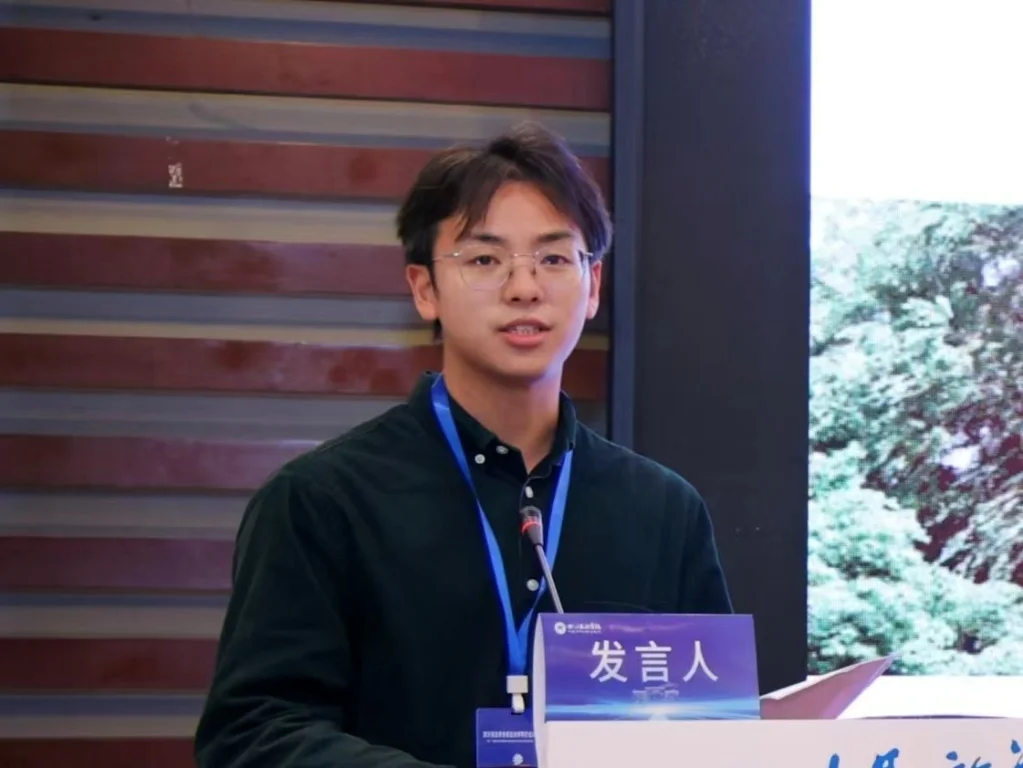
Learn With Dr. Phoenix Chao
BaZi, Zi Wei Star Astrology & Holistic Wellness
Dr. Phoenix Chao, Doctor of Laws, has studied traditional Chinese culture since childhood. He works with BaZi and Zi Wei Star Astrology to explore personality, customised life planning, and forward-looking counsel, while drawing on traditional Chinese medicine and wellness practices to support balance between body and mind.
Meet Dr. Phoenix ChaoRead Before Your Next Lesson
Understanding the ZiWei Twelve Palaces
A map for reading relationships between life areas rather than treating stars and palaces as isolated labels.
Personality Through ZiWei
How personality models can organize observation without turning a living person into a permanent chart label.
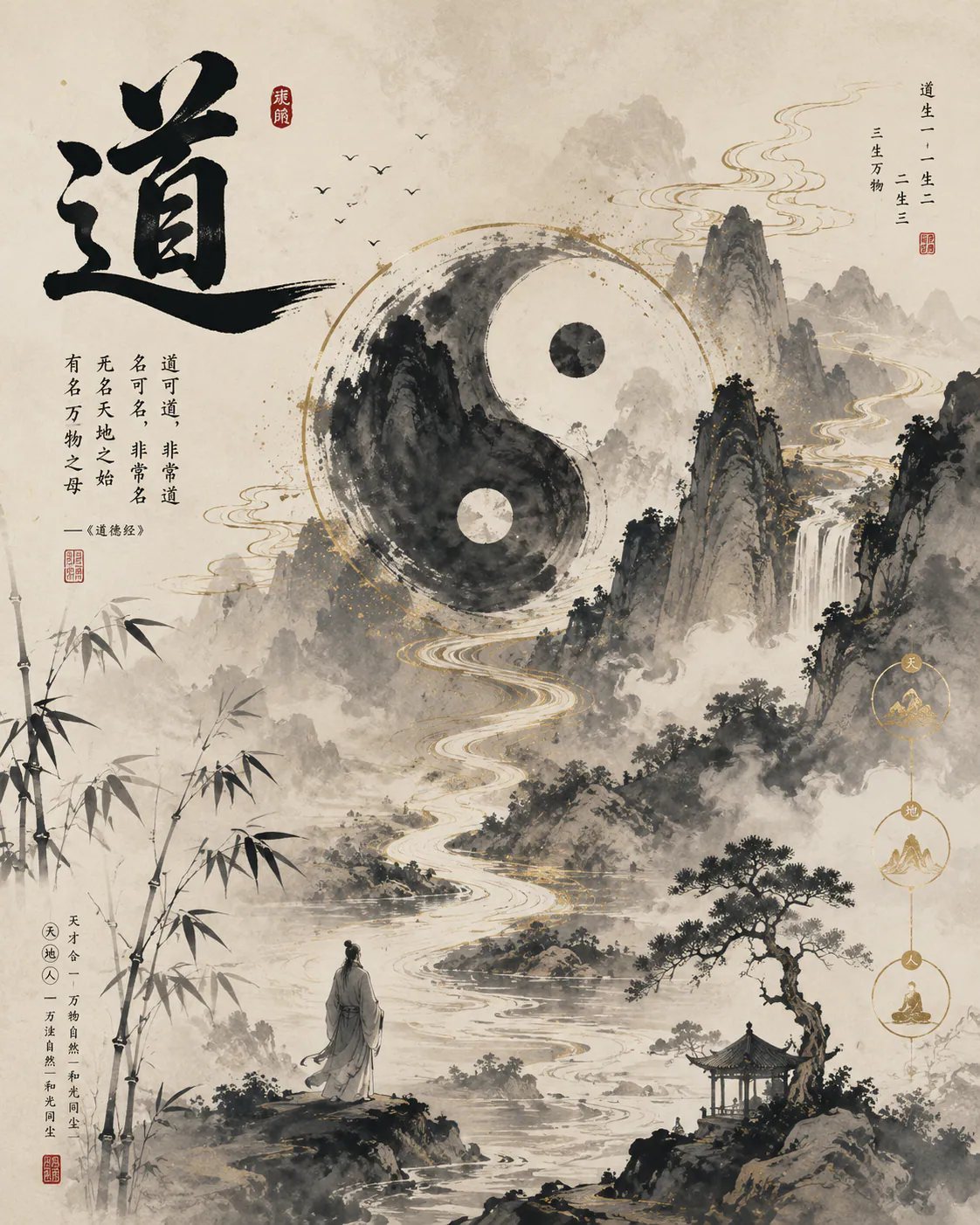
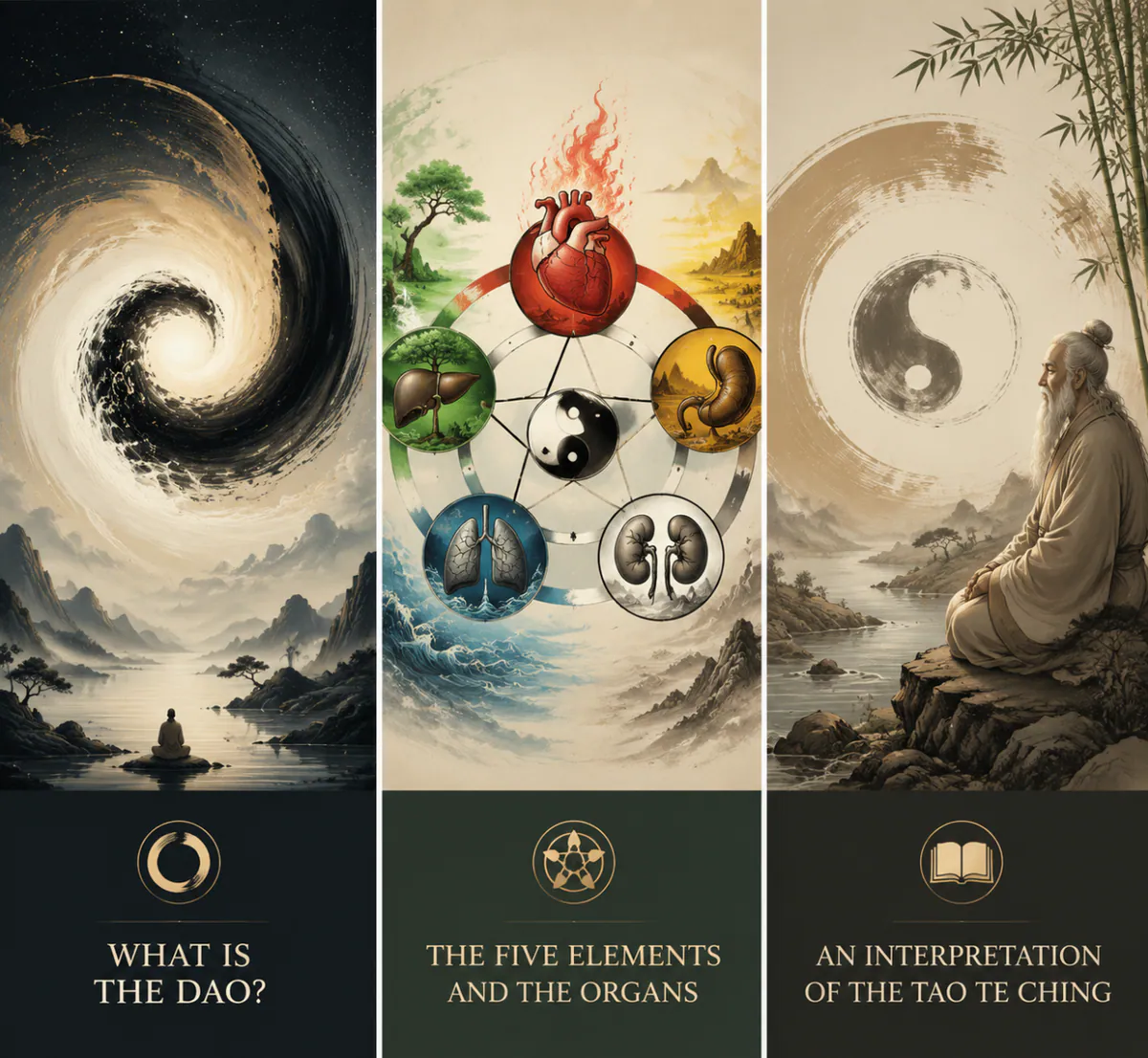
What Is Dao?
An introductory reflection on change, relationship, and the limits of the language used to describe the Dao.
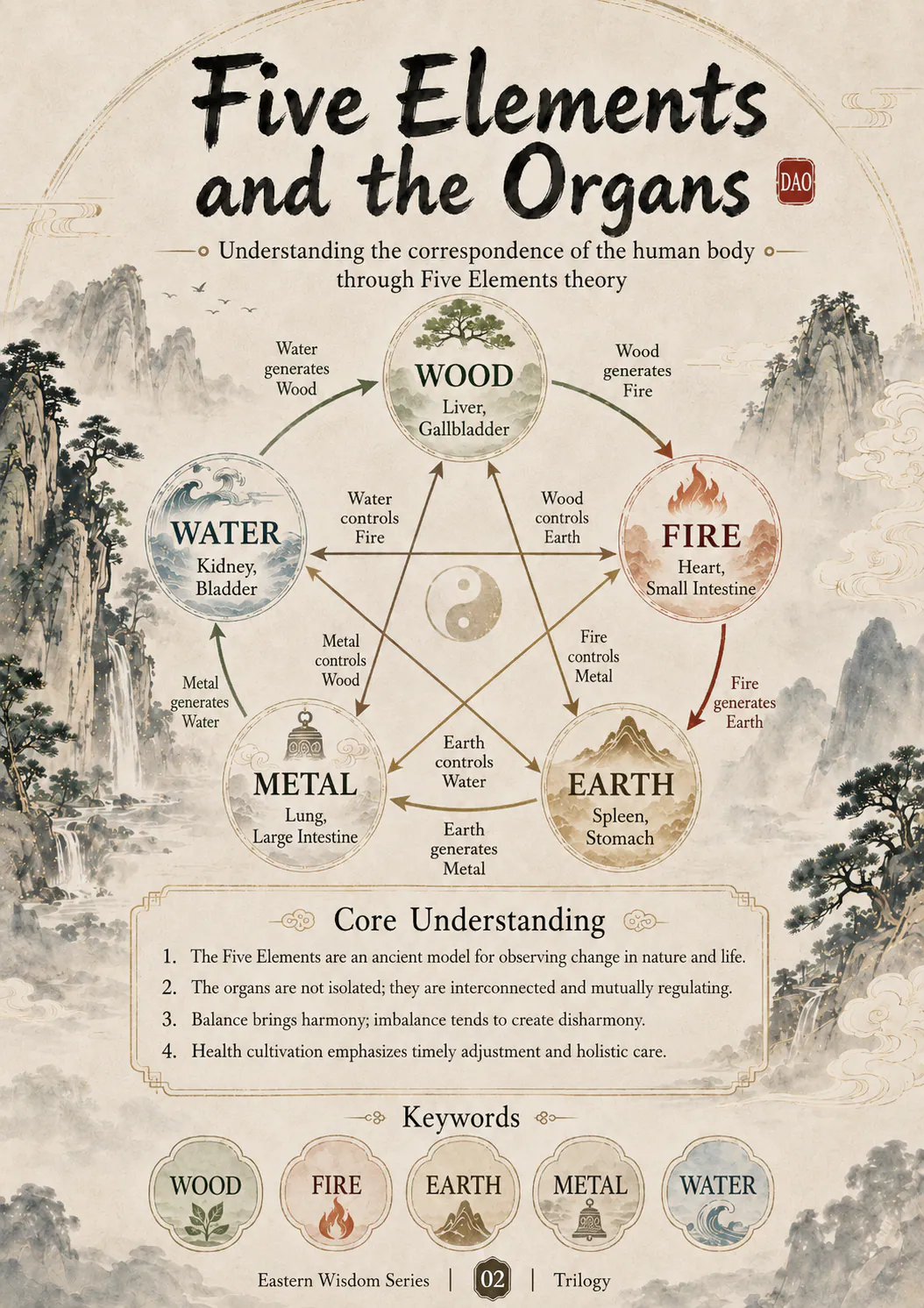
Five Elements & Body Organs
A careful introduction to traditional correspondences between the Five Elements, seasonal change, and bodily systems.